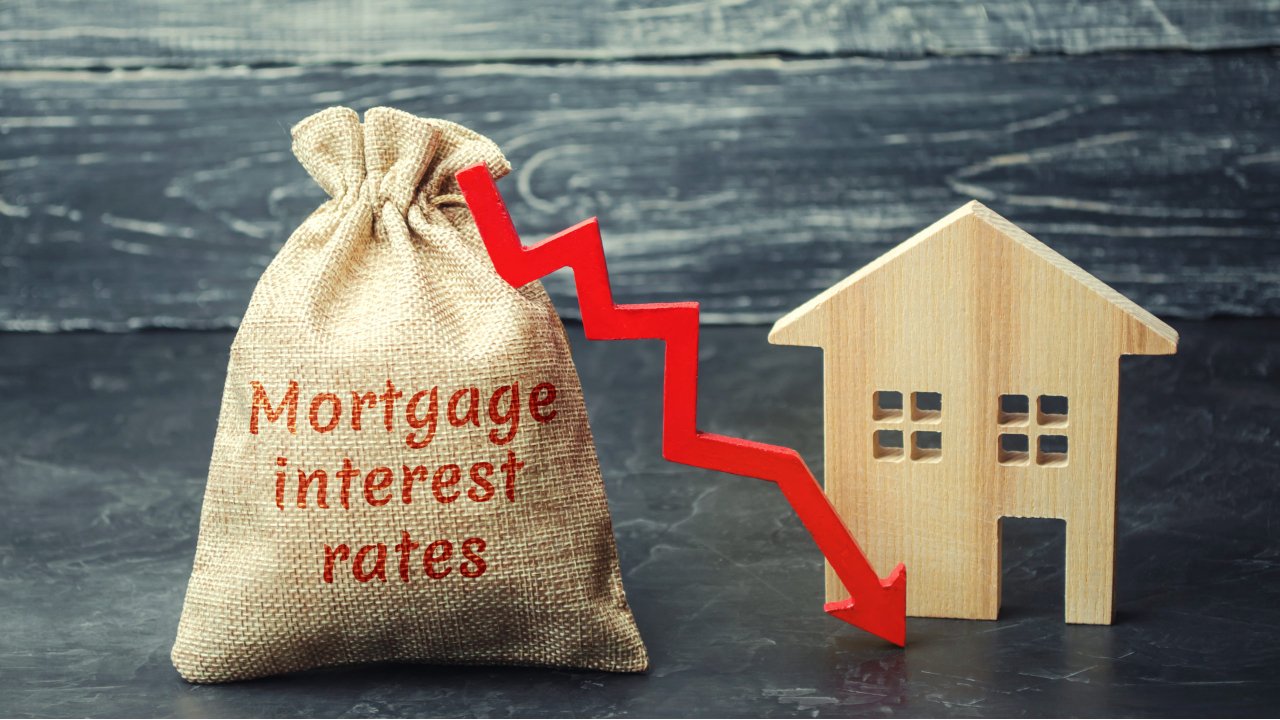
Lowest Interest Home Loan 2026 A Complete Guide to US Mortgage Rates
Buying a home is a major financial decision, and for most people, a mortgage is the only way to make that dream a reality. With interest rates directly affecting your monthly payment and the total cost of your loan, finding the lowest possible rate is the single most effective way to save money over time. In the current market, shop early, shop often, and know your numbers before you ever sign a closing document.
This guide provides a detailed look at mortgage rates in the US as of May 2026. It explains where rates stand today, the key factors that determine your personal interest rate, and actionable strategies to secure the best possible deal.
What Are Today’s Mortgage Rates? (May 22, 2026)
Mortgage rates fluctuate daily based on economic data, geopolitical events, and bond market movements. As of May 22, 2026, national averages across major loan types are as follows:
| Loan Type | Current Rate (May 22, 2026) | A Week Ago | Change (Basis Points) |
|---|---|---|---|
| 30-Year Conventional | 6.46% – 6.58% | 6.417% – 6.50% | +0.09% – +0.16% |
| 15-Year Conventional | 5.825% – 5.97% | 5.657% – 5.96% | +0.17% |
| 30-Year FHA | 6.301% | 6.185% | +11 |
| 30-Year VA | 6.170% – 5.84% | 6.028% – 5.80% | +14 |
| 30-Year USDA | 6.158% | 6.118% | +4 |
| 5/1 ARM | 5.789% – 5.79% | 5.66% – 5.78% | +0.13% |
Multiple data sources confirm the 30-year fixed mortgage rate has moved higher in recent weeks. According to Freddie Mac’s weekly survey released Thursday, the benchmark 30-year fixed rate rose to 6.51% from 6.36% the previous week, its highest level in nearly nine months. Meanwhile, Zillow data shows the 30-year fixed at 6.46% and the 15-year fixed at 5.97%. Optimal Blue data places the 30-year conventional rate at 6.579%, down slightly from the previous day but up 16 basis points week-over-week.
When rates rise, the impact on your monthly budget is immediate. At a rate of 6.58%, borrowing $300,000 on a 30-year mortgage would cost roughly $388,252 in interest over the life of the loan. Opting for a 15-year mortgage at 5.825% would save you more than $230,000 in total interest.
What Determines Your Mortgage Rate?
The advertised national average is a useful benchmark, but it is not the rate you will receive. Lenders price loans based on a detailed risk assessment of each applicant. The following factors carry the most weight.
| Factor | Why It Matters | How to Optimize |
|---|---|---|
| Credit Score | Largest personal factor that you can control. Moving from one pricing tier to the next can lower your rate by 0.125% to 0.25% or more per tier | Aim for a score of at least 740; 780+ qualifies you for the most competitive conventional rates |
| Loan-to-Value Ratio (LTV) | A higher down payment reduces the lender’s risk. A 20% down payment typically secures a lower rate | Save for a larger down payment if possible |
| Debt-to-Income Ratio (DTI) | High existing debt relative to income suggests a higher risk of default | Aim for a DTI below 43%, ideally below 36% |
| Loan Type & Term | 15-year loans carry rates 0.50%–0.75% lower than 30-year loans | Consider a 15-year term if monthly payments are manageable |
| Property & Occupancy Type | Primary residences receive the lowest rates; vacation homes and investment properties cost more | Ensure you are applying for the correct property type |
Your credit score is the single most powerful lever you can pull. According to industry data, a borrower with a FICO score of 620 might see a rate near 7.89%, while a borrower with a 780+ score could qualify for a rate closer to 7.07% a difference of nearly a full percentage point that translates to tens of thousands of dollars in interest over the life of a 30-year mortgage. Moving from one credit tier to the next can change your rate by 0.125% to 0.25% or more, and the cumulative effect of crossing multiple tiers can be a full point or more in savings.
How to Get the Lowest Mortgage Rate (Proven Strategies)
Securing the best possible rate requires preparation and active comparison shopping.
- Shop with at least 3 to 5 lenders – According to Freddie Mac’s mortgage shopping research, the average borrower saves around $1,500 over the course of a loan by shopping at least three lenders and about $3,000 by shopping five. The Consumer Financial Protection Bureau (CFPB) has confirmed that multiple inquiries within a 45-day window are treated as a single inquiry for credit scoring purposes.
- Improve your credit 6–12 months before applying – Make every payment on time, keep credit utilization below 30% of your limit (lower is better), and avoid applying for new credit cards or loans in the months leading up to your mortgage application.
- Consider paying discount points – Each “point” costs 1% of the loan amount and typically lowers your rate by about 0.25%. The breakeven point for a traditional loan is usually four to seven years, so points make sense only if you plan to stay in the home beyond that period.
- Compare Loan Estimates, not just rates – The Loan Estimate is a standardized, three‑page document required by law. Compare lenders side by side on fees, points, and the annual percentage rate (APR).
- Lock your rate at the right time – A rate lock typically lasts 30, 45, or 60 days. Align your lock window with your actual closing timeline rather than attempting to time the market.
Mortgage Rate Forecast for 2026
Predicting mortgage rates is always challenging, and the current environment is unusually volatile due to the ongoing Iran war and its effect on global energy markets.
The average 30-year fixed rate plunged below 6% as recently as late February before the conflict began, but rates have since climbed to their highest level in nine months. Higher oil prices drive inflation, and mortgage rates generally follow the trajectory of the 10-year Treasury yield, which has risen from just 3.97% in late February to 4.625% in May.
Major forecasts show a wide range of outcomes for the remainder of 2026:
| Forecast Source | Projected 30‑Year Fixed Rate (Late 2026) |
|---|---|
| Fannie Mae (May 2026) | 6.3% (holding steady through H2) |
| MBA (Mortgage Bankers Association) | 6.4% – 6.5% |
| Bankrate | 6.1% average (low of 5.7% to high of 6.5%) |
Fannie Mae researchers now believe rates will remain within the same 10‑basis‑point range for the next 18 months, with the 30‑year average not expected to dip to the 6.2% mark until the second quarter of 2027. In its April Housing Forecast, the GSE projected the average 30‑year fixed rate would be 6.3% in Q2 2026, 6.2% in Q3 2026, then 6.1% for the rest of 2026 and throughout 2027.
Higher oil prices and elevated inflation make it less likely that the Federal Reserve will cut its benchmark rate in 2026, which in turn keeps upward pressure on mortgage rates. Home shoppers who are undeterred by rising mortgage rates are benefiting from buyer‑friendly trends in many markets, including more properties on the market than a year ago and data showing home listing prices have started falling in many metro areas, especially in the South and Midwest.
Final Thoughts
A lower mortgage rate saves you money every single month for the life of your loan. In today’s environment, small differences in rates have an outsized impact on your long‑term financial health. The strategies outlined above — shopping multiple lenders, improving your credit, and understanding the true cost of points — are proven to produce tangible savings.
No single lender or online quote can replace the value of personal comparison. Before you commit, gather at least three Loan Estimates, review the APR and total fees, and choose the option that best fits your long‑term goals. Take control of the variables you can manage and let the market do what it will. Start your research today by checking current rates, comparing multiple lenders, and building the strongest possible financial profile. Your future self will thank you when you see the savings add up year after year.